|
# 177 03.IX.2026 |
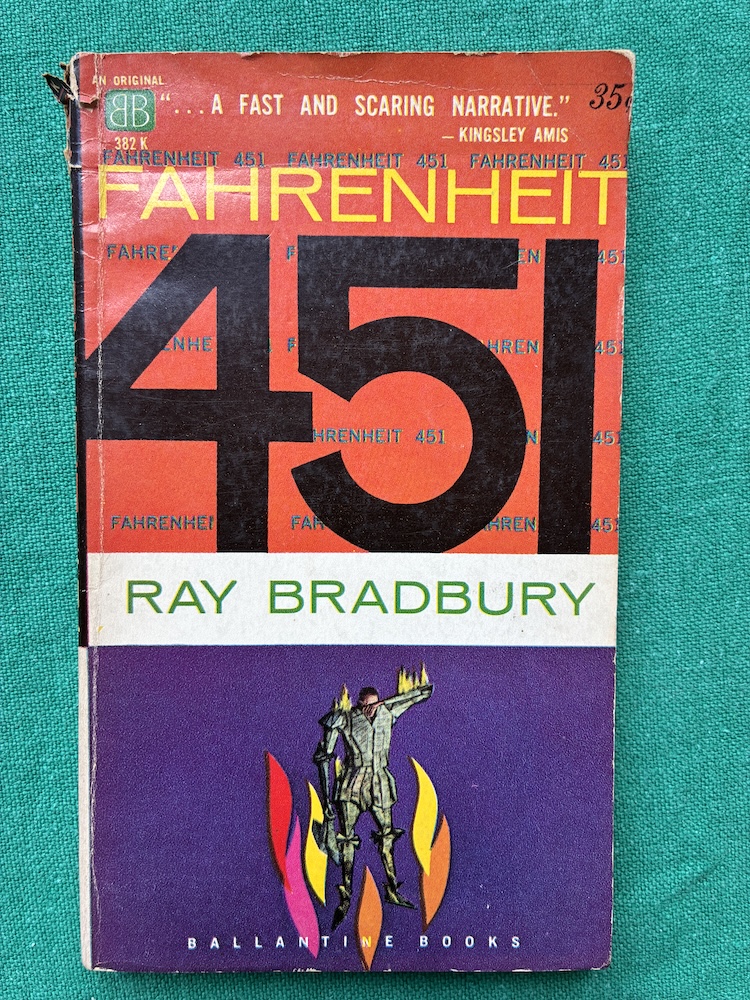
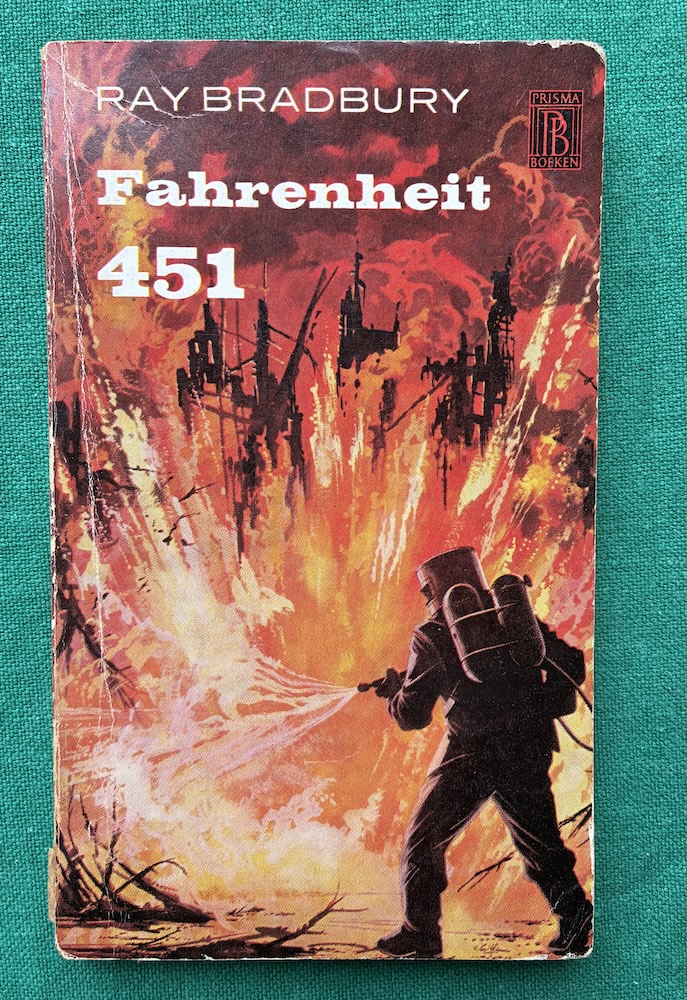
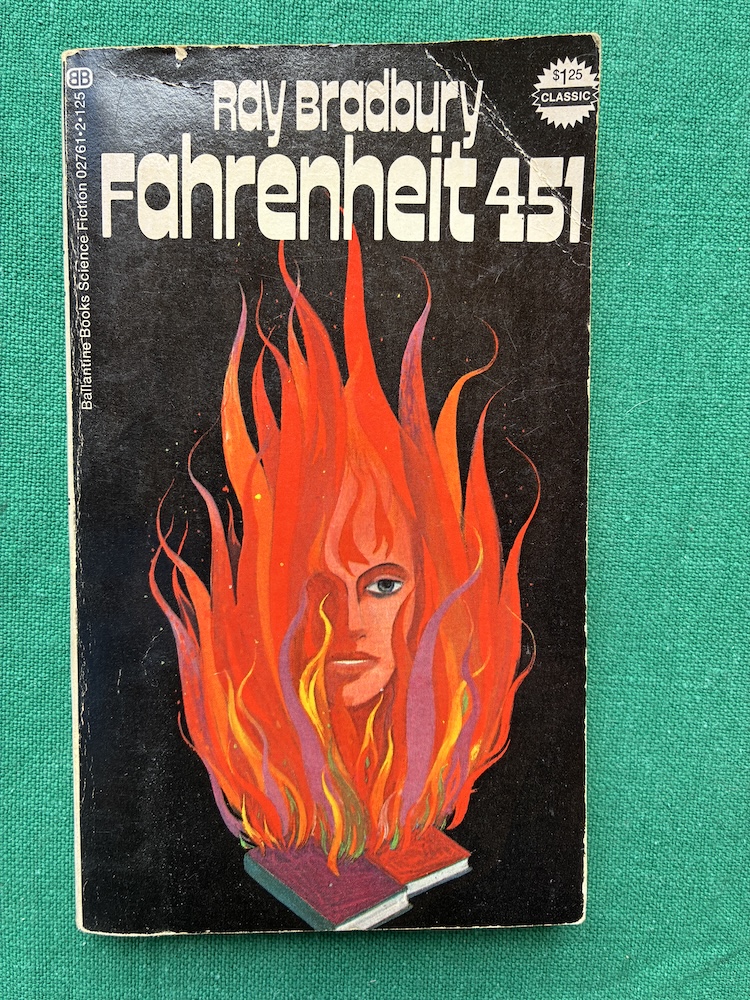
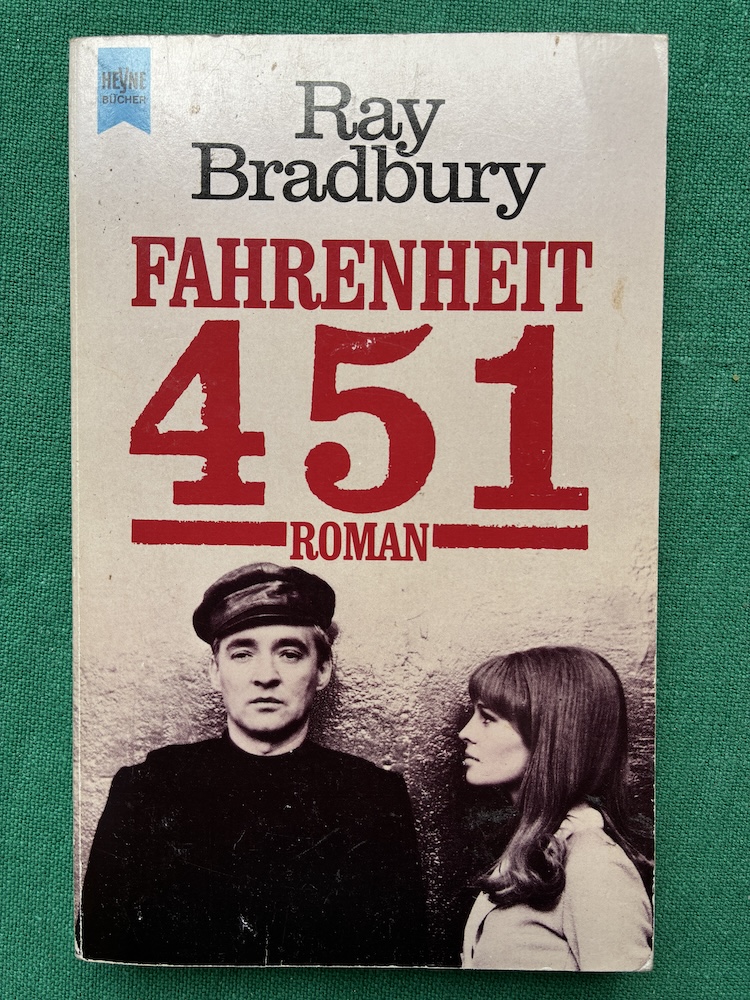
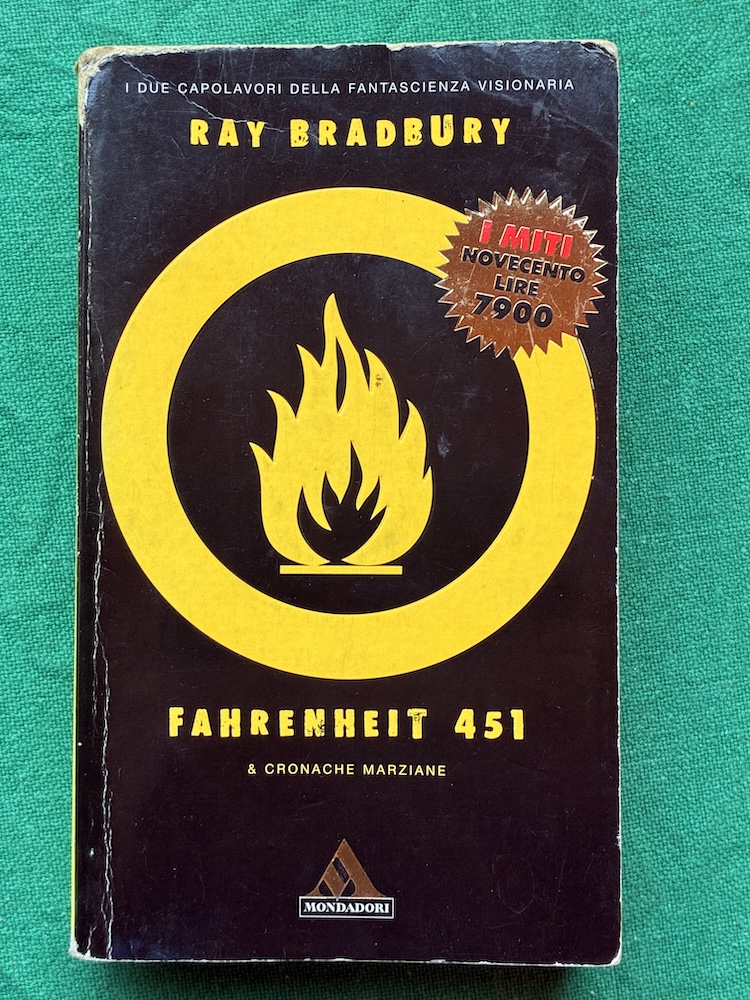
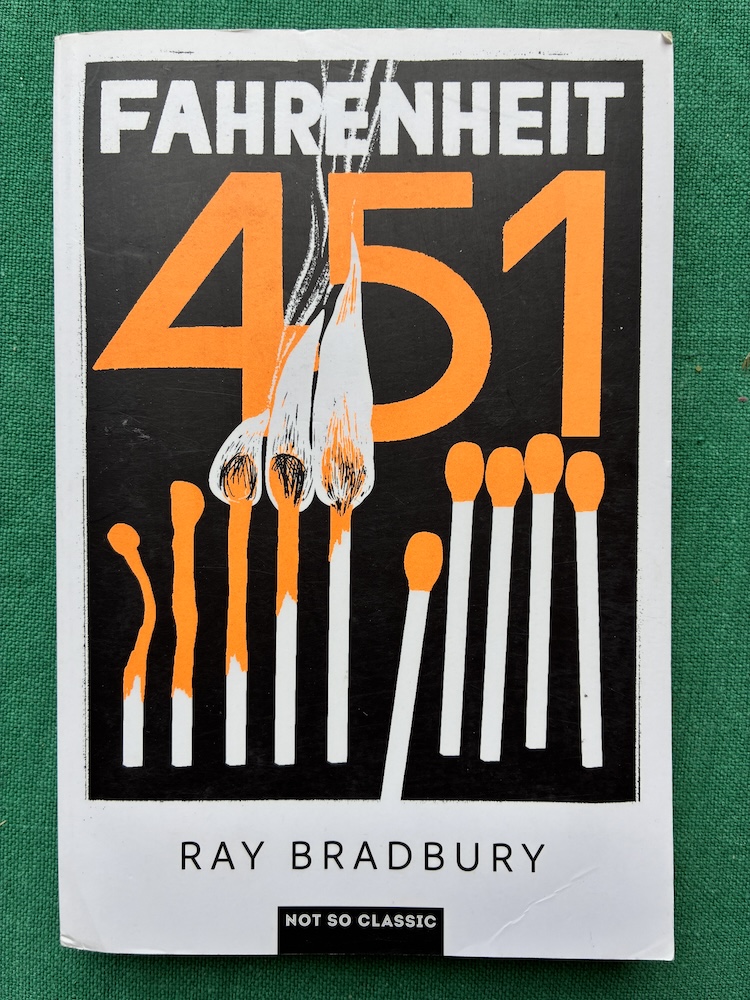
Fahrenheit 451
| |
| ||
|
The End of the Art Object In Ray Bradbury’s 1953 dystopian novel ‘Fahrenheit 451’, authorities have burned books, not merely to destroy information, but to eliminate the friction, discomfort, and depth that art brings to human life. Extending this premise to a future where all physical artworks are destroyed, the concept of art survives only as a transient, biological experience. In this world, the museum is replaced by the human body, and the gallery by the fleeting moment. The Burning of the Object In the near future society will prevent citizens from lingering too long on subversive ideas, society will eradicate every static artwork — oil paintings, bronze sculptures, charcoal sketches, photographs,… Physical art is dangerous because it is permanent, it can be stared at for hours. Its fixed nature allows for scrutiny, dissent, and the preservation of ‘dangerous’ historical emotions. By destroying the art object, society destroys the possibility of lingering on an idea. The Rise of the Mnemonic Performer Visual art survives by migrating from the museum to human flesh. A new class of artisans emerges: the Performance Archivists or Mnemonic Vessels. These are performance artists who dedicate their lives to becoming the living memories of destroyed masterpieces. They do not paint, sculpt, or draw, because creating a new physical object will be forbidden. Instead, they use their own bodies as their medium. A performance artist might recreate a destroyed Rembrandt by contorting their face and hands to mimic the chiaroscuro of light and shadow. Another might reconstruct a Rodin sculpture by twisting their limbs and freezing their body into the exact posture until their muscles burn and tremble. A third might use pigment derived from crushed flowers or ash to temporarily stain their skin, recreating the color palette of a Monet haystack before the sweat of their exertion washes the image away. In the vacuum left by the destruction, art does not disappear; it mutates into pure performance art. The Aesthetics of Impermanence This new art form is defined by its ephemerality. No two performances are ever the same. Because human memory is fallible, each rendition of a ‘masterpiece’ drifts and mutates over generations. Because the artworks exist only during the duration of a performance, the act of looking becomes sacred. There is no photography, no catalog, and no permanent record. If a viewer blinks during the performance of a destroyed Caravaggio, that specific detail is lost to them forever. The audience learns to value the present moment with an almost religious intensity. To blink, to sneeze, or look away during a performance is to miss that specific iteration of art forever. There is no rewind, no photograph, no reinstallation. The Body as Contraband The performance artists become the most dangerous people in society because they are the only remaining hard drives. If society wants to erase a piece of history, it must find and kill the specific person who carries the memory of it. To witness a performance becomes an act of illicit viewing. Secret gatherings are held in basements and abandoned buildings, where audiences sit in total silence, watching a performer use their naked body, contorted limbs, or temporary stains to resurrect a masterpiece for only a few minutes before it dissolves back into darkness. Consequently, these artists live like fugitive monks. They travel in secret, trading performances for food or shelter. To witness a performance is an act of rebellion. | ||
|
on Thursday 3rd of September 2026 in 3:e Våningen, Sockerbruket 9, Gothenburg, Sweden. | ||